
Chicken Retailers’ Strike in Telangana: Industry Concerns Over Margins and Rising Costs
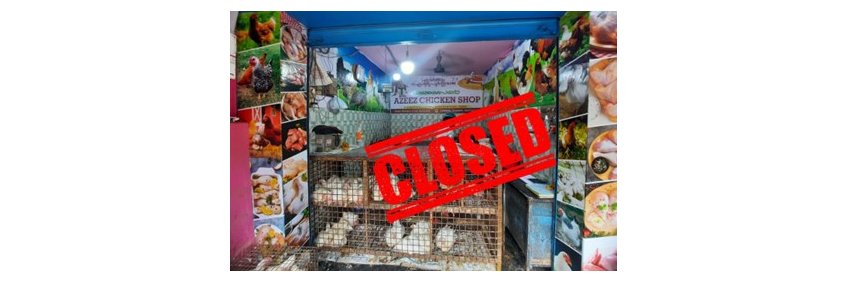
Food lovers across Telangana have been impacted by reduced availability of popular chicken-based street foods, as retail chicken shop owners across the state have announced and initiated a strike. The development has been driven by an ongoing shortage of commercial LPG cylinders and growing dissatisfaction among retailers over declining profit margins and rising operational costs.
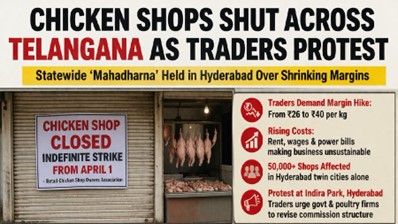
The strike, which was declared following a meeting of retail associations in Hyderabad, has significantly affected the supply of chicken-based foods such as biryani, kebabs, chicken 65, lollipops, and fried chicken. Posters announcing the shutdown have been displayed across major cities including Hyderabad, Warangal, and Karimnagar, cautioning consumers about the disruption.
According to industry representatives, over 50,000 retail chicken outlets have been operating across Telangana, excluding corporate chains. In Hyderabad alone, within the Outer Ring Road limits, more than 20,000 outlets have been supporting employment for over three lakh people, both directly and indirectly. Each shop has been handling sales ranging from 1 to 12 quintals daily, contributing to an annual consumption of approximately 10–12 lakh tonnes of chicken in the capital region.
Gaddamidi Raju, a key association leader, has urged the state government and poultry companies to address the concerns of retailers and respond positively to their demands. The core issue, as has been highlighted, lies in the sharp decline in retailer margins. The margin per kilogram of chicken has dropped from ₹35–₹45 to around ₹17, making it increasingly difficult for retailers to sustain their businesses.
Retailers have reported that escalating expenses—including shop rents, labour wages, electricity charges, and transportation costs—have significantly strained their operations. At the same time, it has been alleged that large poultry companies have dictated prices without adequate regulatory oversight, leaving minimal scope for fair profitability at the retail level.
Adding to the challenges, poultry production has been affected by seasonal fluctuations, particularly during the summer months, while maintenance and operational costs have continued to rise. This imbalance has further intensified financial pressure on small and independent retailers.
As part of the protest, shop owners have closed their outlets and have organized demonstrations to highlight their concerns. Industry stakeholders have indicated that unless immediate corrective measures are undertaken, prolonged disruptions could impact not only retailers but also the broader poultry value chain, including farmers, suppliers, and consumers.
On behalf of IPEMA – Poultry India, this development has underscored the need for balanced industry practices, transparent pricing mechanisms, and stronger collaboration between poultry companies, retailers, and government bodies. Ensuring fair margins and sustainable operations across all levels of the supply chain has been identified as critical for the long-term stability and growth of the poultry sector in India.
Source – The Times of India; March 2026