
Water Hyacinth: Turning an Invasive Weed into Sustainable Poultry Feed (A Waste-to-Wealth Perspective)
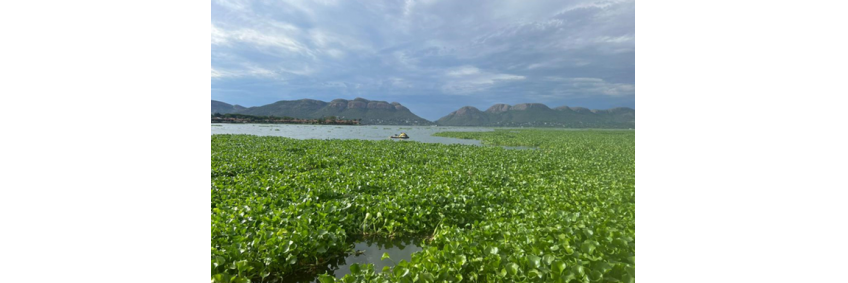
Water hyacinth proliferates rapidly, doubling its biomass within 6–15 days, choking water bodies, depleting oxygen levels, and affecting aquatic ecosystems. Reports suggest that large-scale removal efforts can cost crores of rupees, highlighting the urgent need for sustainable utilization rather than mere eradication.
Poultry Feed Potential
One of the most promising applications of water hyacinth lies in poultry nutrition. When properly processed—typically dried and ground—it can serve as a supplementary feed ingredient.
Studies indicate that inclusion of water hyacinth in poultry diets can:
- Improve egg-laying ratios (up to ~9.7% increase in some duck studies)
- Enhance feed intake and growth performance
- Boost cell-mediated immunity in broilers
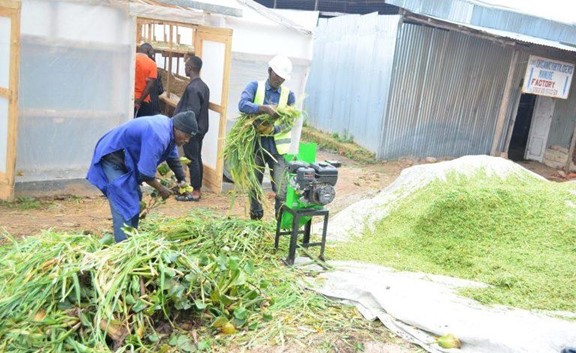
An inclusion level of around 2.5% in broiler diets has shown optimal performance outcomes. Additionally, water hyacinth acts as a natural pigment source, contributing to yolk coloration. However, its high moisture content (over 90%) necessitates processing such as drying or ensiling. Care must also be taken to ensure that the plants are harvested from non-contaminated water sources, as nutrient composition and potential toxicity depend on water quality.
Beyond Poultry: Integrated Livestock Feed Resource
Water hyacinth demonstrates versatility across multiple livestock systems:
- Pig Feed: Its amino acid profile supports use in pig diets when processed appropriately.
- Fish Feed: It can partially substitute soybean meal, reducing feed costs in aquaculture.
- Ruminants: Used as fresh forage, hay, or silage (recommended below 30% of diet dry matter).
This integrated usage supports circular farming systems, especially when combined with fishpond-based nutrient recycling.
Fertilizer and Soil Health
Water hyacinth is rich in essential macronutrients:
- Nitrogen (N): ~3.72%
- Phosphorus (P): ~2.86%
- Potassium (K): Significant levels
As liquid manure or compost, it enhances soil fertility and supports sustainable crop production. Its rapid decomposition cycle makes it an effective organic input.
Industrial and Cottage Applications
Water hyacinth has also found use in various cottage and small-scale industries, especially in countries like India, Indonesia, and the Philippines. Products include - Papers, cardboard, Handi crafts and Disposable eco-products such as plates and cups
While these industries generate livelihood opportunities, their scale remains limited in significantly controlling infestations. Nevertheless, they highlight the plant’s versatility as a biodegradable raw material with a shelf life of 3–5 years.
Challenges and Considerations
Despite its potential, several challenges must be addressed:
- Variability in nutritional composition depending on water source
- Risk of heavy metal contamination in polluted waters
- Need for proper processing methods
- Limited large-scale commercialization models
Importantly, prolonged feeding without balanced supplementation may lead to nutritional deficiencies in animals.
Way Forward: Opportunity for India
In India, the use of water hyacinth as a structured feed ingredient remains relatively unexplored. With systematic research, Testing and feed formulation trials, and enterprise-level scaling, it can address two major challenges simultaneously:
- Reducing feed costs in poultry production
- Managing invasive aquatic weeds sustainably
Developing standardized protocols, safety assessments, and supply chains could unlock its potential as an alternative feed resource.
Conclusion
Water hyacinth should not be viewed solely as an environmental menace but as a resource waiting to be harnessed. By integrating it into poultry nutrition and allied sectors, we can transform an ecological burden into an economic opportunity—advancing sustainability, reducing waste, and promoting circular agriculture.
The future lies in shifting perspective: from eradication to utilization.
Compiled by Poultry India Media – N R Harish