 HERO BANNER
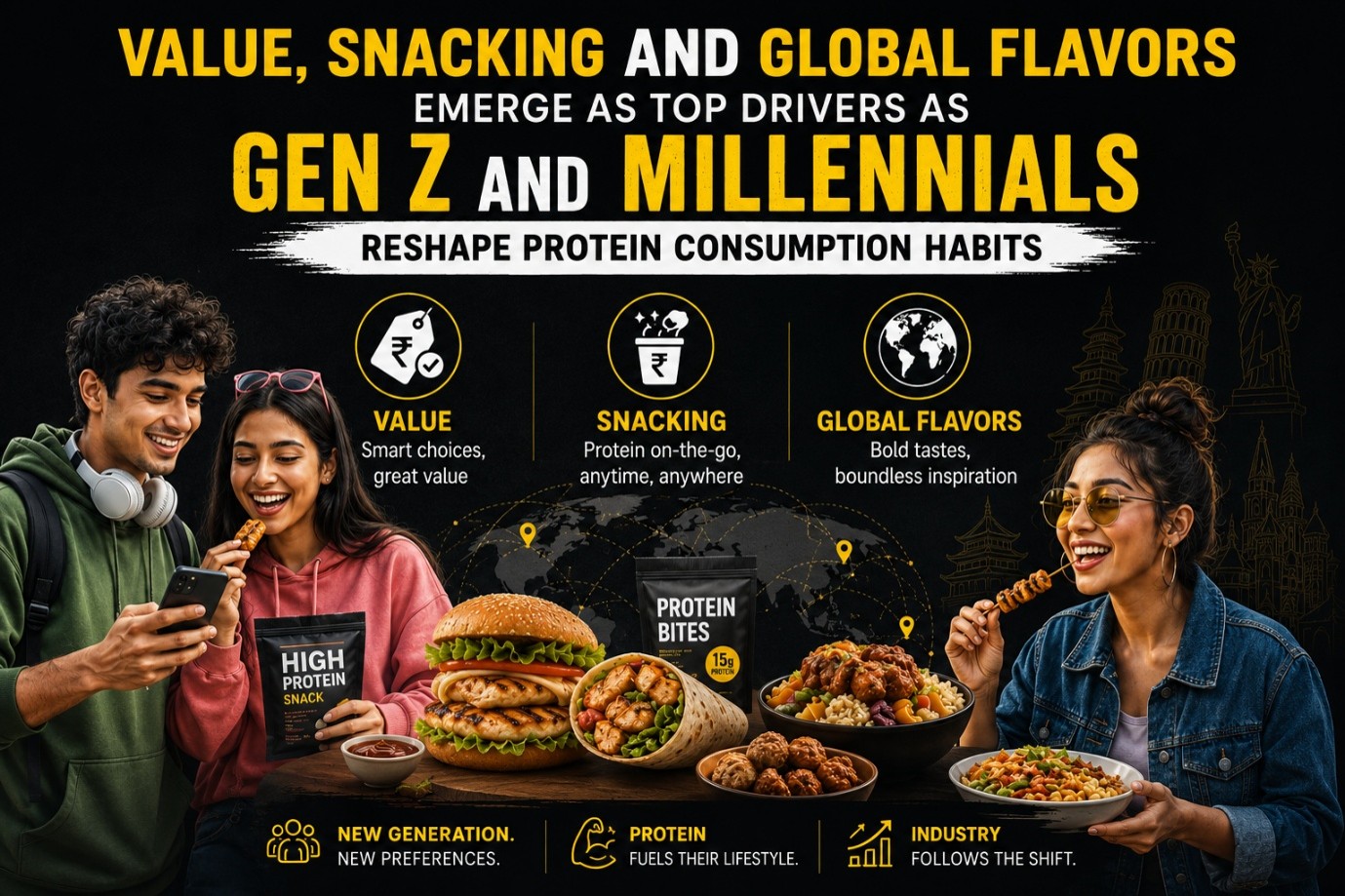
Chicken remains America’s dominant protein choice, but producers and retailers need to adapt quickly to shifting habits among younger consumers, from smaller and more frequent meals to a growing appetite for global flavors.
Lynn Dornblaser, client adviser at Mintel Solutions, who spoke July 29 at the 2026 Chicken Marketing Summit in Palm Harbor, Florida, said 97% of consumers eat poultry and 87% eat chicken specifically. She added that chicken has been claiming a growing share of new product introductions across the protein category compared with red meat, pork, fish, eggs and meat substitutes.
That growth, however, comes even as younger generations increasingly identify as flexitarian rather than committed meat eaters — a trend Dornblaser framed as a challenge and an opportunity, as Gen Z consumers “haven’t totally given up on animal protein. They’re just making a lot of different choices.”
Private Label Gains Ground
Dornblaser said value remains a major factor in purchasing decisions, particularly for fresh meat, where many consumers report no brand preference at all. About 40% of new chicken product introductions are private label, she said — notably higher than the roughly 30% private-label share across food and beverage as a whole.
She pointed to examples such as a Kroger “protein bites” product and a Trader Joe’s seasoned chicken breast item as evidence that store brands are increasingly matching name brands on quality and convenience while undercutting them on price. With more consumers cooking at home to avoid the cost of eating out, she said value-added chicken products are positioned to compete directly with restaurants, particularly for cash-strapped shoppers looking to “recreate restaurant-inspired dishes” at home.
Meals Blur into Snacks
Citing trended survey data going back to December 2020, Dornblaser said fewer consumers report eating dinner every day, while morning, afternoon and evening snacking has climbed steadily — a shift she said predates and is separate from the rise of GLP-1 weight-loss drugs. Gen Z snacks most heavily, with roughly one-quarter saying they snack three or more times a day, compared with just 9% of baby boomers.
She said older consumers tend to snack to satisfy cravings, while Gen Z snacks for functional reasons such as an energy boost or relief from boredom — a distinction reflected in the rise of protein-forward, chicken-based snacks such as chicken jerky, chicken skin chips and chicken-and-fruit sticks. She also pointed to frozen snacks as an underappreciated growth category that consumers increasingly use for full meals, not just snacking.
GLP-1’s Modest but Real Impact
Addressing what she called the “elephant in the room,” Dornblaser said Mintel data show about 10% of the adult population uses GLP-1 medications for weight loss, a figure she expects to rise only to about 14% within five years. She said the number is likely to plateau because many consumers who are actively managing their weight remain sceptical of the drugs — 75% call GLP-1 “a good tool, but not a magic cure;” two-thirds say it should be a last resort; and half say “it feels like cheating.”
Even so, she said the broader dietary pattern associated with GLP-1 use — smaller meals and a stronger focus on protein — is spreading to consumers who are not taking the medication at all, creating an opening for products that support that eating style regardless of whether shoppers explicitly reference the drugs on packaging.
Convenience and Global Flavors
Dornblaser said consumer interest in ready-to-eat, pre-seasoned and air fryer-ready chicken formats continues to climb, driven by shoppers who lack the time or inclination to cook from scratch. She also cited a rising appetite for global flavors particularly among millennials and Gen Z, alongside strong demand for customizable, pre-seasoned proteins that let shoppers “make it their own” with added sauces and sides.
She closed by urging the industry to lean into trend-driven, limited-time products, while cautioning that companies need to move quickly, because such trends can fade within months.
“It’s about helping consumers see the versatility of the products that you have,” she said.
Source: wattagnet.com