 HERO BANNER
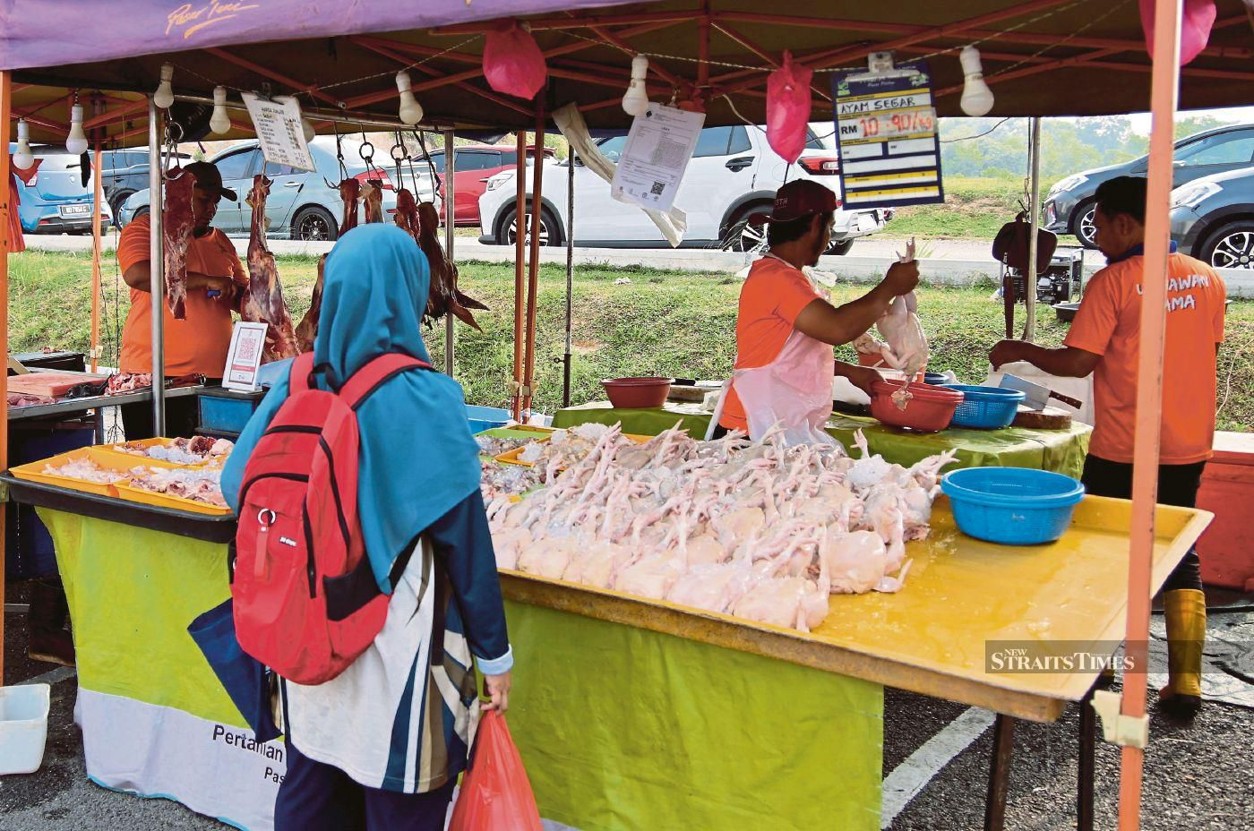
KUALA LUMPUR: Chicken and egg prices are rising as poultry farms face closure amid fly infestations, labour shortages, rising feed costs and regulatory pressure, industry players said.
The Federation of Livestock Farmers’ Associations of Malaysia said farms could meet domestic demand, but market supply had become “very tight” amid industry strain.
A source told the New Straits Times that farm closures over fly complaints had affected production.
Closures Concentrated in Negri Sembilan
The closures were mainly in Negri Sembilan, although those in Perak, Penang and Selangor had also been ordered to shut.
Penang Rural Development, Agrotechnology, Food Security and Entrepreneurship Committee chairman Datuk Rashidi Zinol said seven farms were closed following complaints but had since been allowed to resume operations after carrying out improvements.
The NST also sought comments from authorities in Perak, Selangor and Negri Sembilan.
The affected farms, with a combined capacity of about 3.7 million live chickens, have had their licences suspended, while a handful were fined. Some have since been allowed to reopen.
The sources said open farms, relying on natural airflow for ventilation, were the most affected.
Flies, Heatwave and a Pesticide Shortage
Complaints from communities over swarms of flies and maggots have prompted enforcement action, with some farms closed early this year still unable to resume operations.
This has been aggravated by the heatwave, a pesticide shortage and insufficient manpower.
“There are not enough pesticides in the market because some brands have not received approval. At the same time, we can’t get foreign workers unless quotas to bring in more are approved,” said the source.
Worker Quotas Set Decades Ago
Federation adviser Datuk Jeffrey Ng said farmers were struggling to meet enforcement standards requiring “zero-fly and zero-maggot” conditions.
“The authorities ask us to be clean so that the fly issue can be managed better. But if farms are to be managed better, we need more workers.”
Ng said foreign worker quotas, set decades ago, no longer reflected operational demands.
“Some 20 to 30 years ago, worker quotas were set at one foreign worker per 8,000 chickens for open-house farms, and one worker per 20,000 chickens for closed-house farms.
“That was meant purely for routine operations. Now, when authorities expect farmers to clear manure every day or two to eliminate flies completely, we do not have the manpower to support that level of maintenance.”

We don’t have the tools and we don’t have the manpower to deliver what they want, yet farms are ordered to close. In a way, they are pushing farmers to close down and we are entering a very bad cycle.— Datuk Jeffrey Ng, Adviser, Federation of Livestock Farmers’ Associations of Malaysia
Calls for Clear Guidelines to Reopen
The source and Ng said farmers needed clear guidelines and a mechanism to rectify problems and reopen closed farms.
He said unclear procedures could leave workers stranded and prompt frustrated owners to abandon the industry.
Perak’s Closed-House Transition Deadline
Pressure is mounting on open-farm operators, particularly in Perak, where the state government has set until the end of this year for all farmers to transition to closed-house systems. Open farms account for almost half of all chicken farms in the state.
The industry source said many open-farm operators were small and medium enterprises that could not easily afford the capital needed to convert to closed-house systems. Planning approval could also take years.
“Farmers have been asking for a compromise, but there has been no word on that,” said the source.
Federal Response and Feed Costs
At the federal level, the sources said farmers have engaged the Agriculture and Food Security Ministry, but were told state authorities, particularly local councils, had the authority to close down farms over fly complaints.
At an event in Serdang on Friday, Agriculture and Food Security Minister Datuk Seri Mohamad Sabu said the ministry was reviewing industry feedback.
“We take note of concerns about higher chicken and egg prices, including rising operating costs and other factors affecting the industry,” he said.
Farmers are also facing rising feed costs. Ng said corn prices had risen by between 10 and 15 per cent in recent weeks because of international market pressures.
He said the industry remained dependent on imported feed, but farmers were absorbing higher costs rather than passing them directly to consumers.
“Global price fluctuations are an ongoing risk, but chicken and egg prices in the local market remain affordable under current free-market dynamics.”
Source: nst.com.my