 HERO BANNER
Overview
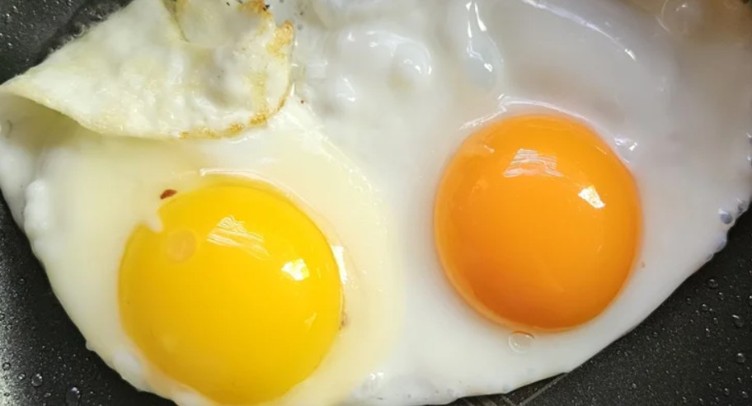
Popular for their high-quality bioavailable protein and other dietary components, eggs come in a range of colours and sizes. Even the insides can be different colours, displaying yolks that vary from orange to yellow once you crack open the shells. Just like the difference between brown and white eggs can be explained by science, so too can the difference in yolk colour. It all comes down to how much and what type of pigment the yolk contains.
The Role of Xanthophyll Pigments
The colour of egg yolks is greatly affected by the xanthophyll pigments they contain. Papers published in Advances in Nutrition and Poultry Science explain that xanthophylls are a class of oxygen-containing carotenoids — pigments important for photosynthesis that naturally occur in fruits and vegetables.
As Hillary Ayers of the University of Florida Institute of Food and Agricultural Sciences Extension told Food & Wine: "Not all plant material is equal when it comes to containing xanthophyll — some have higher concentrations and different types."
In fact, there are several hundred xanthophyll varieties. The natural pigments egg yolks generally contain include capsanthin and capsorubin for red, and lutein and zeaxanthin for yellow. How much and what type of xanthophyll appears in the yolk depends on what the chickens eat.
What the Yolk Colour Says About the Hen's Diet
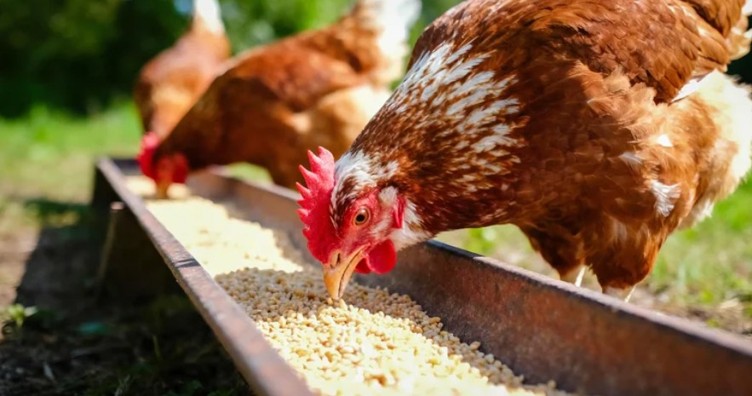
Carotenoids are an important part of human health, and for the most part we get them from fruits and vegetables. Since chickens are among the animals that eat plants, researchers have studied the deposition of carotenoids in animal foods such as eggs (per a paper published in Food Chemistry: X).
It's possible to infer a hen's diet from the colour of its yolk:
- Pale yellow yolk — indicates a low-quality, wheat-based diet with a low amount of carotenoids. Lutein, the pigment responsible for yellow, is the most common carotenoid in wheat, though concentrations differ among wheat types.
- Standard yellow yolk — "Hens that make grocery store eggs are usually fed a corn-based diet," said UC Davis Cooperative Extension researcher Richard Blatchford. The yolks are yellow but not bright, since corn is also a source of lutein.
- Darker orange yolk — suggests a high-quality diet: the birds may be pasture-raised and foraging, or red-pigmented foods such as marigold petals and red pepper may be added to their feed.
Measuring and Managing Yolk Colour
Many poultry farmers track yolk colour with the DSM-Firmenich YolkFan, a 16-scale colour index. To achieve a more consistent, aesthetically pleasing value of around 7, synthetic carotenoids can be added to commercial hen feed — such as canthaxanthin for orange-red and apo-ester for yellow.
Source: www.sciencing.com