Supplementation with carotenoids in poultry feed has been recognised for decades as an efficient tool for producing eggs with bright, attractive yolks and broiler chickens with golden skins for markets including Mexico, Japan, China, and France.
Why Canthaxanthin Stands Out
Among carotenoids, canthaxanthin stands out long-term because it provides excellent yolk pigmentation plus improved bird health, better hatchability, increased vitelline membrane resistance, extended egg shelf-life through antioxidant properties, and improved profitability. This sustainability approach reduces carbon footprint while addressing consumer environmental concerns.
Canthaxanthin is a naturally-occurring red carotenoid found in certain fungi and responsible for coloring in cardinals, flamingos, and orioles. Research has shown that additional carotenoids in poultry feed create superior end products with bright-coloured yolks. Beyond colour, newly discovered benefits include antioxidant and immunomodulatory roles, strengthening the vitelline membrane and enhancing overall egg quality while supporting poultry production sustainability.
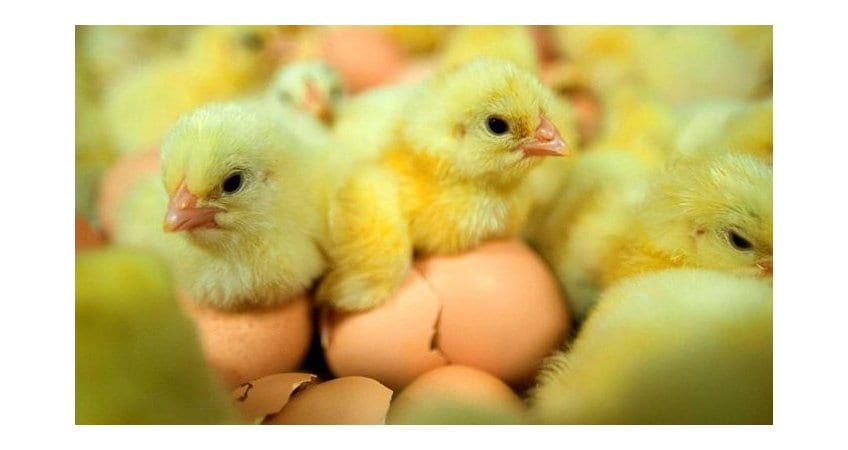 Canthaxanthin — yolk pigmentation, vitelline membrane strength and antioxidant power
Sustainability — Doing More with Less
"Meeting the food requirements without compromising the ability of future generations to meet their respective needs."
— Defining sustainability
This requires greater production efficiency with fewer inputs, particularly non-renewable resources, increasing profitability while improving environmental quality and social responsibility benefiting people, planet, and profit.
Impact on Human Health
Canthaxanthin has been approved and licensed in over 70 countries across Europe, USA, Canada, Central and South America, Africa, Oceania, and major Asian nations including China, Japan, Korea, Taiwan, Thailand, and Vietnam. European and Japanese authorities have established an Acceptable Daily Intake (ADI) for this carotenoid, with canthaxanthin being the only carotenoid with this status.
Beyond safety, canthaxanthin offers potential human health benefits, including possible cancer inhibition, though further research is needed. Importantly, canthaxanthin increases the visual appeal of nutrient-dense foods like eggs, making them more attractive for recipes and consumption — particularly among children — thereby improving dietary nutrition economically.
Canthaxanthin & Sustainability — The Numbers
Compared to chemically extracted carotenoids from paprika or Tagetes, synthetic carotenoids identical to natural molecules prove safer for poultry feed supplementation. A large-scale German study (Saling, 2008) comparing environmental costs found synthetic carotenoids produce approximately five times fewer greenhouse-gas/CO2 emissions than paprika or Tagetes extraction. Water consumption in synthetic carotenoid production is 35 times lower.
Breeding hen diets containing canthaxanthin yielded an average of 3,718 newly hatched chicks per ton of feed — a 2.7% increase — versus 3,618 chicks in unsupplemented control batches.
Profitability of Canthaxanthin Use
Canthaxanthin drives profitability and farm sustainability through three levers:
Richer, More Uniform Egg Yolks
Depending on market conditions and value-added egg programs, canthaxanthin produces superior pigmented eggs with return-on-investment ratios of 25:1 to 200:1 comparing retail prices against feed investment.
Better Egg Quality
Canthaxanthin strengthens the yolk sac, ranking highest among carotenoids for egg deposition with superior antioxidant capacity. This dual advantage protects yolk membrane proteins by preserving sulfur double bonds — particularly important for separating yolks from whites in industrial baking and gourmet applications.
More and Healthier Chicks
Canthaxanthin's antioxidant properties in breeding hen feed produce four benefits: improved fertility, increased hatchability, faster-growing chicks at birth, and healthier development. These result from canthaxanthin's antioxidant properties, superior egg deposition, and immunomodulation activities. Return-on-investment for breeding applications approximates 4:1.