As pulse prices increase, Bengaluru residents are consuming more chicken, according to traders. Tur dal costs Rs 150 per kilogram, moong dal Rs 130, green gram Rs 120, and urad dal Rs 195 — the most expensive. Chicken is comparatively affordable at Rs 110 per kilogram.
Sales Up — 900 to 1,500 kg/day
A poultry shop operator noted increased demand, reporting sales rose from 900 kg daily to 1,500 kg recently.
"Demand for chicken has gone up in the last month or so… Earlier I used to sell 900 kg a day, but now it is 1,500 kg."
— Lakshmi Sagar, Poultry store operator, Bengaluru
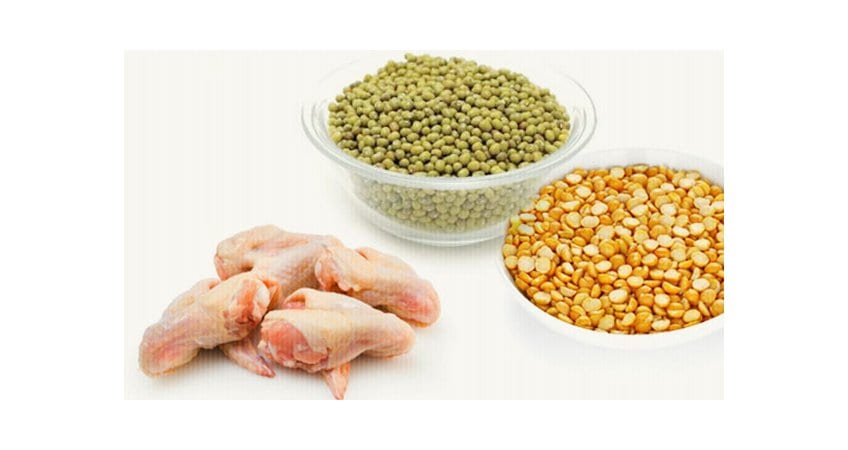 Households shift to chicken as pulse prices climb
Vegetarian Households Have Fewer Options
However, switching to alternative proteins is not feasible for vegetarians. One resident stated she reduced dal consumption but maintains her family's vegetarian diet. Online retailers offer no significant savings, with organic products costing nearly twice as much.
"I have cut down our consumption of dal because of the high prices, but I can't eat meat because my family is strictly vegetarian."
— Vishnu Priya, Bengaluru resident
"I prefer vegetarian food to non-vegetarian… I eat more egg and chicken these days."
— Sonia Gupta, graphic designer
India's Protein Gap
Pulses provide essential protein for most people, particularly vegetarians. According to Poultry India, individuals require 1 gram of protein daily per gram of body weight, though average Indian consumption remains below 30 grams daily. Some consumers are increasing egg and chicken intake despite preferring vegetarian options. Eggs represent an economical protein source.
"Best Protein After Mother's Milk"
Industry representatives note India produces 225 million eggs daily, positioning eggs as an optimal protein source following maternal milk.
"India produces 225 million eggs a day. Egg is the best source for protein after mother's milk."
— O P Singh, Poultry India