Intake-output trends and growth rates in trained veterinary manpower in India suggest that the growth rate of graduate manpower is not commensurate with growth rates of either the livestock or poultry sector.
The Lead Paper — Clean and Green Poultry Production
A lead paper on "Clean and Green Poultry production" was presented by P. V. K. Sasidhar, Associate Professor at the School of Extension and Development Studies, Indira Gandhi National Open University (IGNOU), New Delhi. This was delivered at the Annual Conference of the Indian Poultry Science Association and National Symposium held at the College of Avian Sciences and Management of Kerala Veterinary and Animal Sciences in Thiruvazhamkunnu, Kerala. The paper stressed the need for starting polytechnic colleges to address the technical manpower needs of the poultry sector at lower levels.
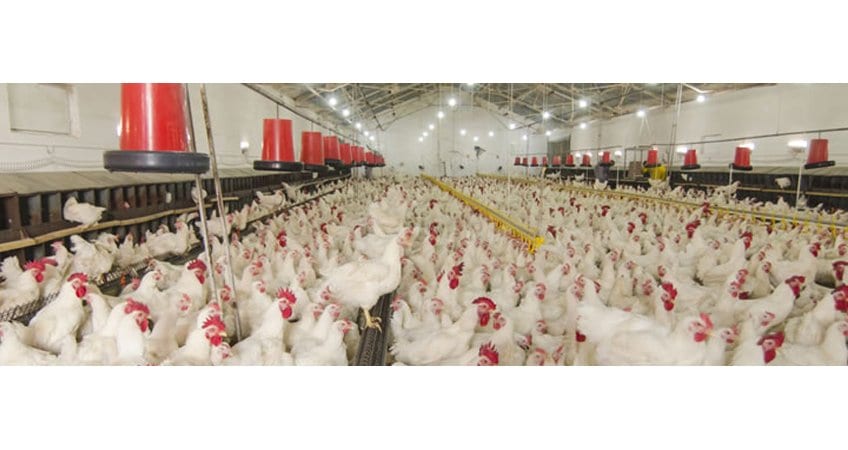 Skill gap remains a critical issue for India's poultry workforce
Veterinary Manpower — The Numbers
Poultry science education departments and research institutes have played an important role in transforming and developing India's poultry sector. Veterinary graduates serve as major technical manpower for managing middle-level technical and administrative positions. There are approximately 2,530 million chickens according to recent statistics. At the rate of one veterinarian per million birds, about 2,530 veterinarians are required for the poultry industry alone in India. Approximately 2,050 veterinarians work in the private poultry sector.
In government and public sector undertakings, nearly 43,000 veterinarians are employed, with at least 10 percent working in poultry-related fields. The total number of veterinarians working in private and public poultry sectors on a full-time basis is approximately 6,350. Currently, 200 veterinarians join the poultry sector annually.
The Demand Outlook
Over the next decade, equipment, poultry pharmaceutical industries, poultry processing industries, egg powder plants, value addition, packaging, marketing, and exports are expected to increase substantially. This growth would require more poultry veterinarians for quality control and certification.
The poultry sector also requires technical, diploma, and certificate holders to work as farm supervisors, hatchery and feed mill operators, processors, chick sexers, artificial inseminators, vaccinators, and debeakers.
With a minimum expected growth rate of 10 percent annually, the poultry sector alone needs 708 veterinary graduates in 2015 and 1,140 in 2020.
KVASU & Skill Council Partnership
"Skill gap is a big issue in the poultry industry in the country."
— Dr. P. V. K. Sasidhar, Associate Professor, IGNOU
To address this, the Directorate of Entrepreneurship of KVASU will formulate skill development programmes in collaboration with the Agriculture Sector Skill Council of India, according to Dr. T. P. Sethumadhavan, Director of Entrepreneurship at KVASU.